Wondering if jelly clips damage hair?
Get the facts about jelly hair clips vs claw clips, hair health tips, and how to protect your hair. Best hair clips guide 2026!
You’ve seen them all over TikTok and Instagram—jelly hair clips are having a major moment. But before you jump on the Y2K hair accessories trend, you’re probably wondering: do jelly clips damage hair?
It’s a valid concern. We’ve all experienced the horror of removing a hair tie only to find a clump of broken strands. With so many cute hair clips flooding the market, it’s hard to know which ones are actually safe for your hair.
The good news? When used correctly, jelly hair clips are actually one of the gentlest hair accessories you can use. But there’s more to the story than just a simple yes or no.
In this comprehensive guide, you’ll discover:
- The truth about whether jelly clips damage hair
- How jelly clips compare to traditional claw clips and other accessories
- Which hair types benefit most from jelly clips
- Expert tips for protecting your hair while using clips
- Signs your hair clips are causing damage (and what to do about it)
Let’s separate fact from fiction and find out if jelly hair clips deserve a spot in your hair care routine.
What Are Jelly Hair Clips Made Of?
Before we can answer “do jelly clips damage hair?”, we need to understand what they’re made of.
Material Composition
Jelly hair clips are typically made from:
- Cellulose acetate: A plant-based, flexible plastic
- Acrylic resin: Lightweight and translucent
- Metal springs: Internal mechanism for grip (coated to prevent rust)
Key Features
Unlike traditional 90s hair clips made from hard plastic or metal, modern jelly clips have:
- ✅ Smooth, rounded edges (no sharp teeth)
- ✅ Flexible material (bends with your hair)
- ✅ Lightweight design (reduces tension on roots)
- ✅ Translucent finish (aesthetic appeal)
This construction is what makes them fundamentally different from other hair clips online and potentially safer for your hair.
Do Jelly Clips Damage Hair? The Scientific Answer
Short Answer: No, Not When Used Properly
Jelly clips are designed to minimize hair damage through:
- Even pressure distribution: The flexible material spreads tension across a wider area
- No sharp edges: Smooth surfaces won’t snag or cut hair strands
- Gentle grip: Holds without excessive tightness
- Lightweight construction: Reduces stress on hair follicles
The Research Behind It
Hair damage from accessories typically occurs through:
- Mechanical stress: Pulling, tugging, or breaking strands
- Friction: Rough surfaces creating split ends
- Tension alopecia: Constant pulling on the same area
- Chemical reactions: Metal oxidation or material degradation
Jelly hair clips address all these concerns:
| Damage Type | Traditional Clips | Jelly Clips |
|---|---|---|
| Breakage | High (metal teeth) | Low (smooth edges) |
| Friction | Medium-High | Low (polished surface) |
| Tension | High (rigid grip) | Medium (flexible) |
| Chemical | Possible (metal rust) | Minimal (stable plastic) |
Verdict: Jelly clips cause significantly less damage than most alternatives.
Jelly Clips vs Claw Clips: Which Is Better for Hair Health?
One of the most common comparisons is jelly clips vs claw clips. Let’s break it down.
Traditional Claw Clips
Pros:
- Very strong grip
- Hold heavy, thick hair securely
- Widely available
- Durable construction
Cons:
- ❌ Hard plastic can break hair
- ❌ Metal teeth snag strands
- ❌ Rigid material doesn’t flex with movement
- ❌ Can cause headaches from tight grip
- ❌ Often have sharp edges
Jelly Hair Clips
Pros:
- Gentle, flexible material
- Smooth edges prevent snagging
- Comfortable for all-day wear
- Lightweight (no tension headaches)
- Trendy Y2K hair accessories aesthetic
Cons:
- ❌ May not hold extremely thick hair as well
- ❌ Can wear out faster than hard plastic
- ❌ Some cheap versions break easily
The Winner for Hair Health?
Jelly clips win for most people, especially if you have:
- Fine or fragile hair
- Color-treated or damaged hair
- Sensitivity to tight accessories
- Concern about breakage
However, if you have very thick, heavy hair and need maximum hold, you might need the best hair clips that combine jelly material with reinforced springs.
Are Jelly Clips Good for Thick Hair?
This is one of the most frequently asked questions: are jelly clips good for thick hair?
The Answer: Yes, With the Right Size
Jelly hair clips can absolutely work for thick hair if you:
- Choose large-sized clips: Look for clips 3+ inches wide
- Check spring strength: Quality clips have reinforced springs
- Use proper technique: Twist hair before clipping for better hold
- Consider double-clipping: Use two clips for extra security
Best Jelly Clip Hairstyles for Thick Hair
- Low twisted bun: Distributes weight evenly
- Half-up style: Clips only the top section
- Side sweep: Works with smaller sections
- Messy bun: Loose style reduces strain
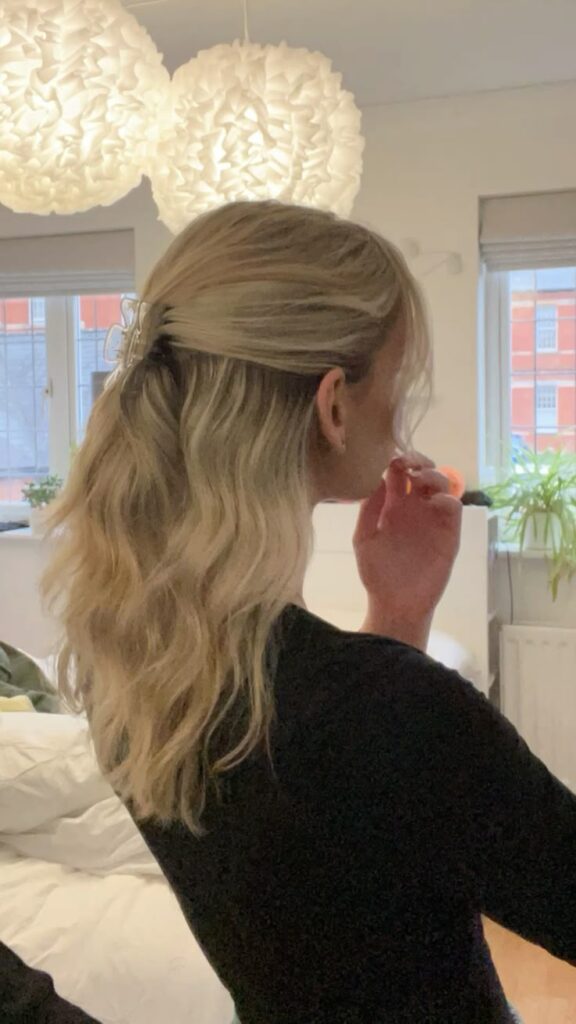
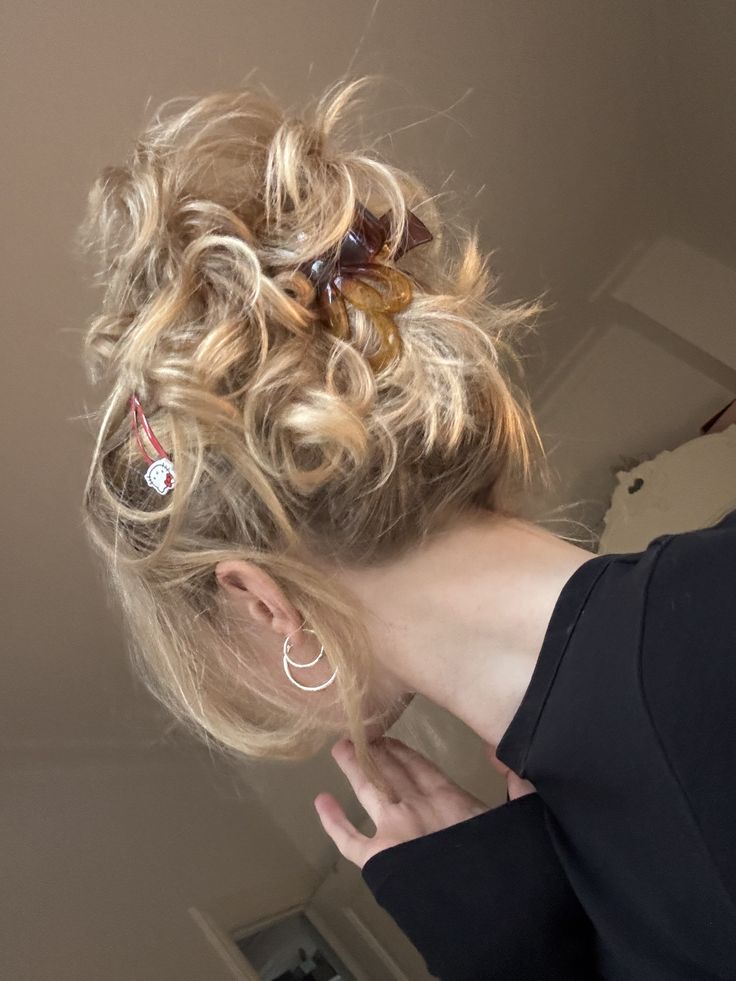

Pro tip: When you buy jelly hair clips, read reviews from people with your hair type to ensure they’ll hold.
Signs Your Hair Clips Are Causing Damage
Even the best jelly hair clips can cause problems if misused. Watch for these warning signs:
🚨 Red Flag #1: Excessive Breakage
What to look for:
- Short, broken hairs around your hairline
- Strands breaking off when you remove the clip
- Increased shedding after wearing clips
Solution: Switch to a larger clip size or reduce wearing time
🚨 Red Flag #2: Thinning at Clip Site
What to look for:
- Visible thinning where you always place the clip
- Tender scalp in specific areas
- Receding hairline near temples
Solution: Rotate clip placement daily and take “clip-free” days
🚨 Red Flag #3: Tangles and Snags
What to look for:
- Hair gets caught when removing clip
- Painful removal process
- Visible damage to clip edges
Solution: Replace worn-out clips immediately; they’re no longer safe
🚨 Red Flag #4: Headaches or Discomfort
What to look for:
- Tension headaches after wearing clips
- Scalp soreness
- Indentations that last hours
Solution: Your clip is too tight or too heavy—downsize or switch styles
How to Use Jelly Clips Without Damaging Hair
Want to enjoy cute hair clips while keeping your hair healthy? Follow these expert tips:
✅ Do’s
1. Prep Your Hair Properly
- Detangle completely before clipping
- Slightly textured hair holds better than freshly washed
- Use a light styling product for grip
2. Choose the Right Size
- Small clips: Face-framing pieces, thin sections
- Medium clips: Half-up styles, side sweeps
- Large clips: Full buns, thick hair
3. Rotate Placement
- Don’t clip in the same spot every day
- Alternate between high and low styles
- Give your hair “rest days” from accessories
4. Remove Gently
- Support hair with one hand while opening clip
- Never yank or pull
- Remove before sleeping
5. Invest in Quality
- Buy from reputable sellers
- Check for smooth edges and strong springs
- Replace clips when they show wear
❌ Don’ts
1. Don’t Clip Wet Hair
- Wet hair is more fragile and prone to breakage
- Clips can create permanent dents in damp hair
- Moisture can weaken clip springs over time
2. Don’t Over-Tighten
- Jelly clips work with gentle pressure
- If it hurts, it’s too tight
- Looser styles are healthier and often cuter
3. Don’t Use Damaged Clips
- Cracked clips have sharp edges
- Worn springs don’t distribute pressure evenly
- Replace clips every 6-12 months
4. Don’t Ignore Your Hair Type
- Fine hair: Avoid heavy clips
- Thick hair: Don’t use clips that are too small
- Curly hair: Be extra gentle to preserve curl pattern
Best Hair Clips for Different Hair Types
Not all jelly hair clips are created equal. Here’s what works best for each hair type:
For Fine or Thin Hair
Best choice: Small to medium jelly clips with moderate spring tension
Why:
- Won’t weigh down delicate strands
- Gentle grip prevents breakage
- Creates volume without damage
Recommended styles: Half-up, side sweep, double clip
For Thick or Coarse Hair
Best choice: Large jelly clips with reinforced springs
Why:
- Strong enough to hold heavy hair
- Distributes weight across larger area
- Prevents slipping throughout the day
Recommended styles: Low bun, messy bun, top knot
For Curly or Textured Hair
Best choice: Medium to large clips with wide openings
Why:
- Accommodates volume without crushing curls
- Smooth material won’t disrupt curl pattern
- Perfect for protective styling
Recommended styles: Pineapple method, half-up, loose bun
For Color-Treated or Damaged Hair
Best choice: Any size jelly clip (they’re the safest option!)
Why:
- Minimal friction preserves fragile strands
- No metal parts to react with color
- Gentle enough for compromised hair
Recommended styles: Loose, low-tension styles
Jelly Hair Clips vs Other Hair Accessories
Let’s compare jelly clips to other popular options:
Jelly Clips vs Hair Ties
| Factor | Jelly Clips | Hair Ties |
|---|---|---|
| Damage Risk | Low | Medium-High |
| Breakage | Minimal | Common (especially elastic) |
| Dents | Slight, temporary | Often permanent |
| Ease of Use | Very easy | Easy |
| Versatility | High | Medium |
Winner: Jelly clips for hair health
Jelly Clips vs Bobby Pins
| Factor | Jelly Clips | Bobby Pins |
|---|---|---|
| Damage Risk | Low | Medium |
| Snagging | Rare | Common |
| Time Required | Quick (seconds) | Longer (minutes) |
| Hold Strength | Medium-Strong | Strong |
| Aesthetic | Visible, trendy | Hidden or decorative |
Winner: Depends on style—jelly clips for casual, bobby pins for formal
Jelly Clips vs Scrunchies
| Factor | Jelly Clips | Scrunchies |
|---|---|---|
| Damage Risk | Low | Very Low |
| Versatility | High (many styles) | Medium (mainly ponytails) |
| Trend Factor | Very high (Y2K) | High (also Y2K) |
| Grip | Strong | Medium |
Winner: Tie—both are excellent, damage-free options
The Truth About Cheap Jelly Clips
Not all jelly hair clips online are worth buying. Here’s what separates quality from junk:
Warning Signs of Low-Quality Clips
❌ Price too good to be true (under €1 per clip) ❌ No brand name or reviews ❌ Rough edges or visible seams ❌ Weak springs that barely close ❌ Strong chemical smell ❌ Cloudy or discolored material
What Makes the Best Jelly Hair Clips
✅ Smooth, polished finish (no rough spots) ✅ Strong, consistent spring tension ✅ Clear or evenly colored material ✅ Positive reviews mentioning durability ✅ Reasonable price (€3-8 per clip) ✅ Reputable seller
Where to buy jelly hair clips:
- TikTok Shop (check seller ratings)
- Instagram small businesses (read reviews)
- Etsy (artisan quality)
- Jelly hair clips Amazon (filter by 4+ stars)
Expert Hair Care Tips When Using Clips
Dermatologists and hair stylists recommend these practices:
Daily Care
- Brush before clipping: Remove all tangles
- Use heat protectant: If styling before clipping
- Moisturize ends: Prevents dryness and breakage
- Vary your styles: Don’t repeat the same look daily
Weekly Care
- Deep condition: Restore moisture and strength
- Scalp massage: Improve circulation to follicles
- Trim split ends: Every 6-8 weeks
- Clean your clips: Remove product buildup
Monthly Care
- Protein treatment: Strengthen hair structure
- Inspect clips: Replace any showing wear
- Assess damage: Check for thinning or breakage
- Adjust routine: Based on hair’s response
When to Avoid Hair Clips Entirely
Sometimes, even the best hair clips aren’t the right choice:
Avoid Clips If:
- You have active scalp conditions (psoriasis, dermatitis)
- You’re experiencing significant hair loss
- You’ve recently had chemical treatments (wait 48 hours)
- Your hair is extremely fragile or over-processed
- You have a sensitive scalp or tension headaches
Alternative: Try hair scarves, soft headbands, or loose braids instead.
The Verdict: Should You Use Jelly Hair Clips?
After examining all the evidence, here’s the bottom line:
✅ Jelly Clips Are Safe When:
- You choose quality clips with smooth edges
- You use the right size for your hair type
- You rotate placement and take rest days
- You remove them gently
- You replace worn clips promptly
❌ Jelly Clips Can Cause Damage If:
- You buy ultra-cheap, low-quality versions
- You clip too tightly or in the same spot daily
- You use them on wet or tangled hair
- You ignore signs of breakage or discomfort
- You never replace old, damaged clips
Final Thoughts: Protecting Your Hair While Looking Cute
So, do jelly clips damage hair? The answer is: not if you use them correctly.
Jelly hair clips are actually one of the safest, most versatile hair accessories available. They combine the functionality you need with the Y2K hair accessories aesthetic you want—all while being gentle on your strands.
The key is to:
- Buy quality over quantity
- Listen to your hair (it will tell you if something’s wrong)
- Use proper technique (gentle, rotated placement)
- Maintain your clips (clean and replace regularly)
Ready to embrace the jelly clip trend without the worry? Start with a jelly hair clips set in different sizes, experiment with various jelly clip hairstyles, and enjoy damage-free styling!
Shop smart, style safely, and keep your hair healthy!
Frequently Asked Questions
Can jelly clips cause hair loss?
No, when used properly, jelly clips don’t cause hair loss. However, wearing any clip too tightly in the same spot daily can lead to traction alopecia over time. Rotate placement and take breaks.
How long can I wear jelly clips safely?
Most people can wear jelly clips all day without issues. If you experience discomfort, headaches, or see indentations lasting more than an hour, reduce wearing time.
Are jelly clips better than scrunchies?
Both are excellent, low-damage options. Jelly clips offer more styling versatility, while scrunchies are slightly gentler for overnight wear or ponytails.
Do jelly clips work on wet hair?
It’s best to avoid clipping wet hair, as it’s more fragile and prone to breakage. Wait until hair is at least 80% dry.
How often should I replace jelly clips?
Replace clips every 6-12 months, or sooner if you notice cracks, rough edges, or weakened springs.
Can I sleep in jelly clips?
While possible, it’s not recommended for nightly use. If you must, use a very loose clip high on your head (pineapple method) and alternate nights.